Why Your Skin Is Aging So Fast — Even When You Do Everything Right
Scientists have identified a rare biological state where skin appears to slow aging naturally — and it has nothing to do with creams, Botox, or genetics.
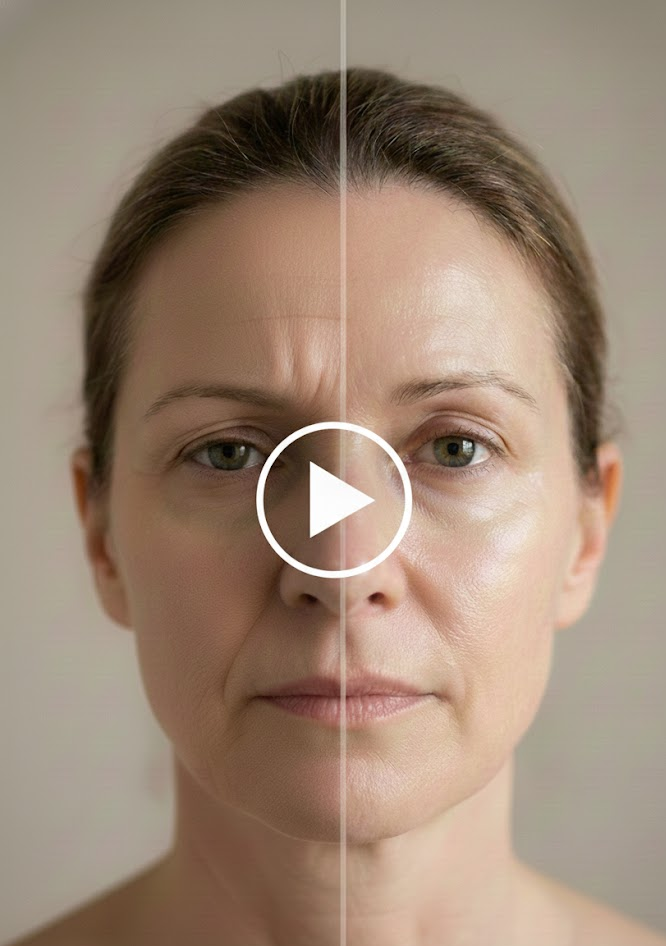
You’ve probably seen it before — when someone’s skin suddenly looks smoother, brighter, and more resilient for reasons no one explains.
See what’s quietly driving thisFor many women, it doesn’t feel like normal aging — it feels like something internal quietly changed after 40.
- You’ve been consistent with skincare, but something still feels off
- The shift felt sudden — months, not years
- You’re tired of buying fixes without knowing what’s actually driving the change
You're Not Imagining It
If you feel like your skin changed faster than expected, you’re not alone — and you’re not imagining it.
This isn’t about vanity. It’s about noticing real changes that don’t seem to match the effort you’re putting in. It’s not your fault.
The hardest part isn’t what you see — it’s not knowing what’s driving it.
What changes once the guesswork ends
Understanding this earlier changes everything about what you do next. Most women aren’t choosing the wrong products — they’re reacting without knowing what they’re reacting to.
It’s not about perfection. It’s about clarity — so you stop paying the confusion tax with time, money, and disappointment.
Why Doing “Everything Right” Still Misses the Point
Most skincare advice focuses on the surface — products, treatments, routines. And for a while, that feels reassuring. Until something changes — and no one can explain why.
What Women Are Usually Told
"Add retinoids. Moisturize. Wear sunscreen. Sleep more. Drink water."
What Often Gets Ignored
The internal process that supports how your skin maintains its “freshness” — and how quietly that support can change after 40.
What’s Happening Beneath the Surface
The video explains a simple concept many women never hear: your skin relies on internal repair signals that most skincare advice never talks about.
When those signals weaken, the surface is simply where the change becomes visible.
Think of it like this: You can polish the surface all day. But when the internal rebuild signals slow down, the changes still show.
An Explanation — Not a Sales Pitch
No scare tactics.
No “miracle” promises.
No pressure to believe anything on the spot.
Just a calm, research-informed explanation of biology topics often discussed in aging and skin health — translated into plain language so you can actually follow it.
The goal isn’t to convince you of anything.
It’s to help you understand what might be driving what you’re seeing — so you can stop wasting time and money on random guesses.
No. It explains why most people keep trying things that never fully work.
No. You can watch without sharing personal information.
No. It won’t diagnose or treat anything — it explains patterns most people were never told to look for.
Because without understanding the driver, most people spend years repeating the same cycle — buying “better” fixes and wondering why nothing ever sticks.